Updated July 2026
Far beyond Guanacaste’s resort beaches, the Bat Islands reveal a remote protected seascape of rocky islets, open Pacific water and remarkable marine life.
- The Bat Islands are located in northern Guanacaste
- The archipelago includes five islands and ten islets
- The area is known for rich marine biodiversity
- Boat trips depend on weather and ocean conditions
- The destination is best for adventurous travelers and experienced divers
Recommended For Your Trip

Tenorio River White Water Rafting Class III–IV
Private Class III–IV white water rafting on the Tenorio River, racing rapids, plunging over falls and lush tropical wildlife. Snacks and lunch included. Certified bilingual guide exclusively for your group.

Congo Trail Canopy & Extreme Zip Line
Private Congo Trail experience, 11-station zip line through tropical forest with 3 hanging bridges, plus extreme cables including Superman and Tarzan Swing. The Plus option adds 2 hours ATV.
Colorado River Rafting Class II–III
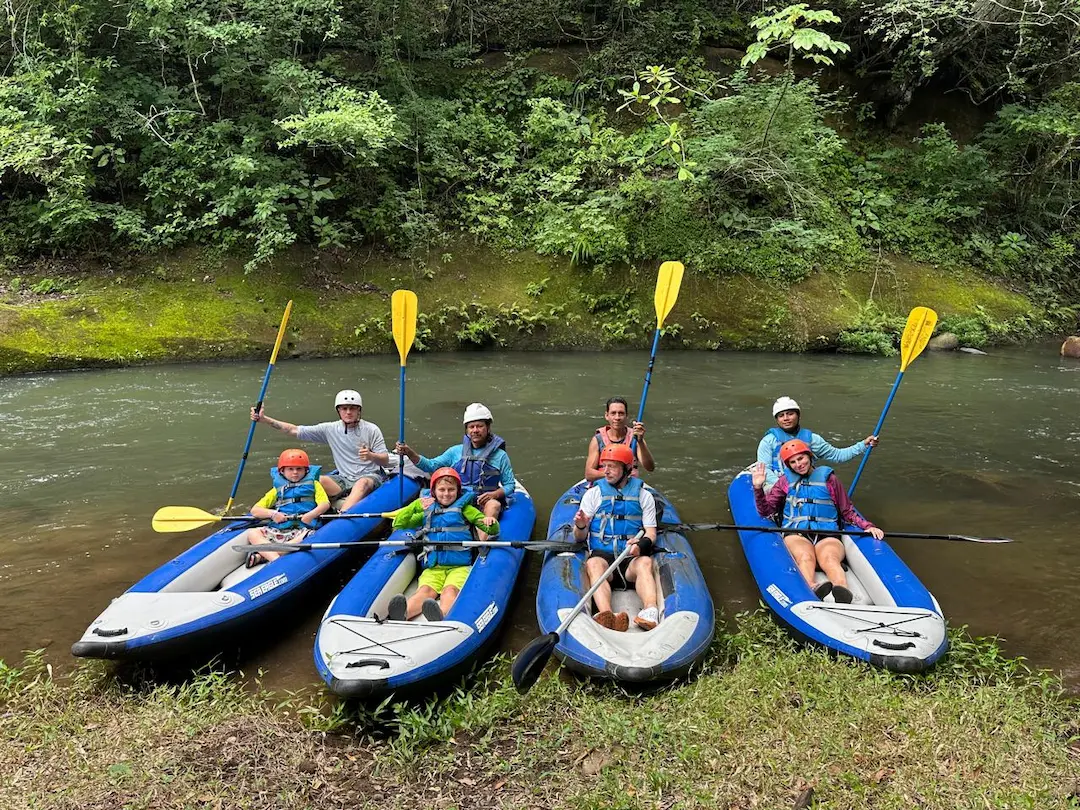
Private Class II–III white water rafting on the Colorado River, natural canyon, swimming holes and lunch included. No experience necessary. Certified bilingual guide exclusively for your group.
What Are the Bat Islands?
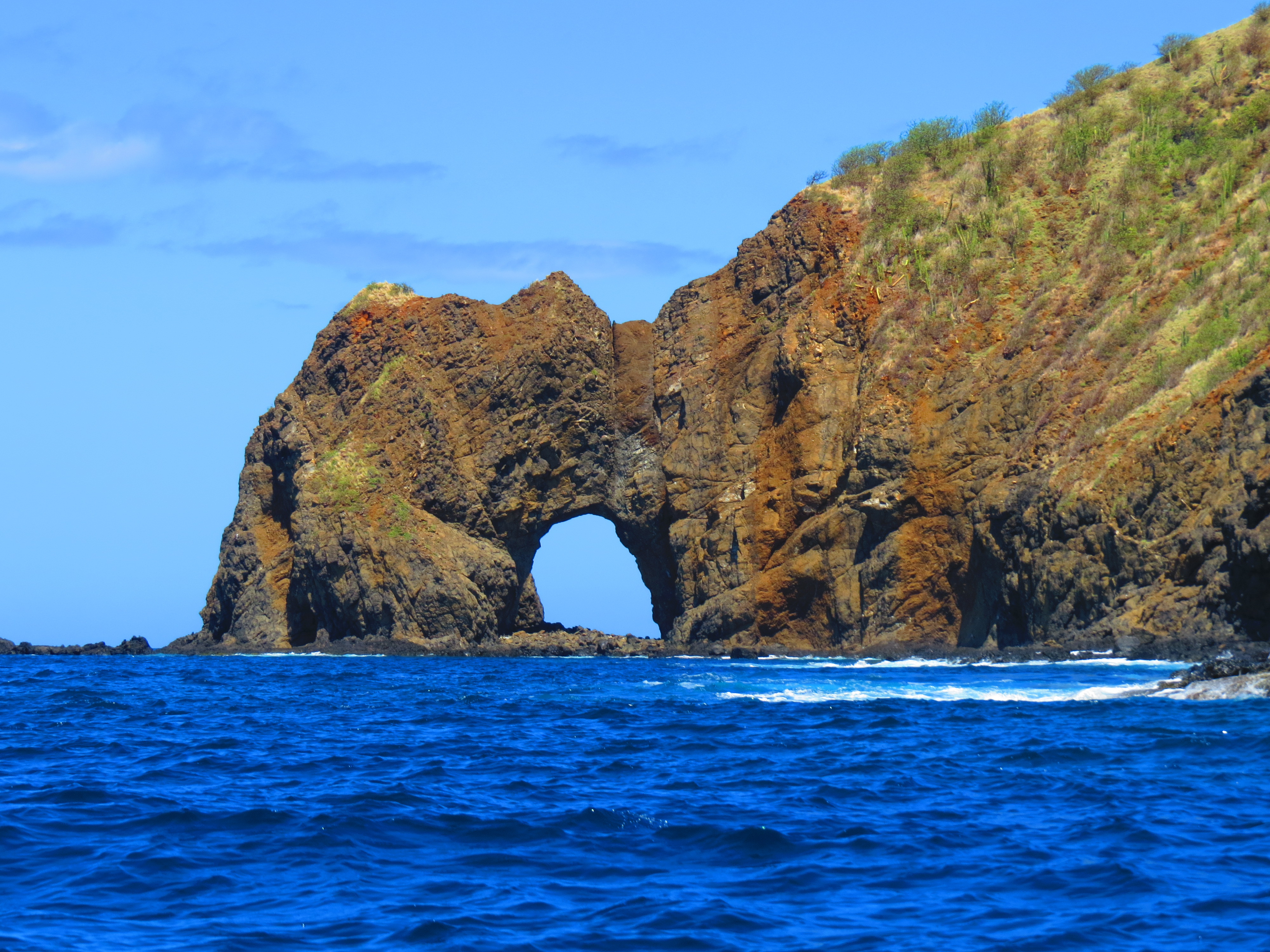
The Bat Islands, known locally as Islas Murciélago, are a remote archipelago off the Santa Elena Peninsula in northern Guanacaste. They form part of the protected marine sector of the Guanacaste Conservation Area and include five islands and ten smaller islets.
This is a very different side of Guanacaste from the beach towns and resorts farther south. The landscape is wild and exposed, with rocky islands, open Pacific water and very little development. The sense of distance is part of what makes the destination memorable.
The protected waters support coral communities and a wide variety of marine life. Depending on the season and conditions, visitors may encounter rays, large schools of fish, dolphins, turtles and other ocean species. Wildlife sightings are never guaranteed, but the area is recognized for its exceptional biodiversity.
Why Are the Bat Islands So Famous?
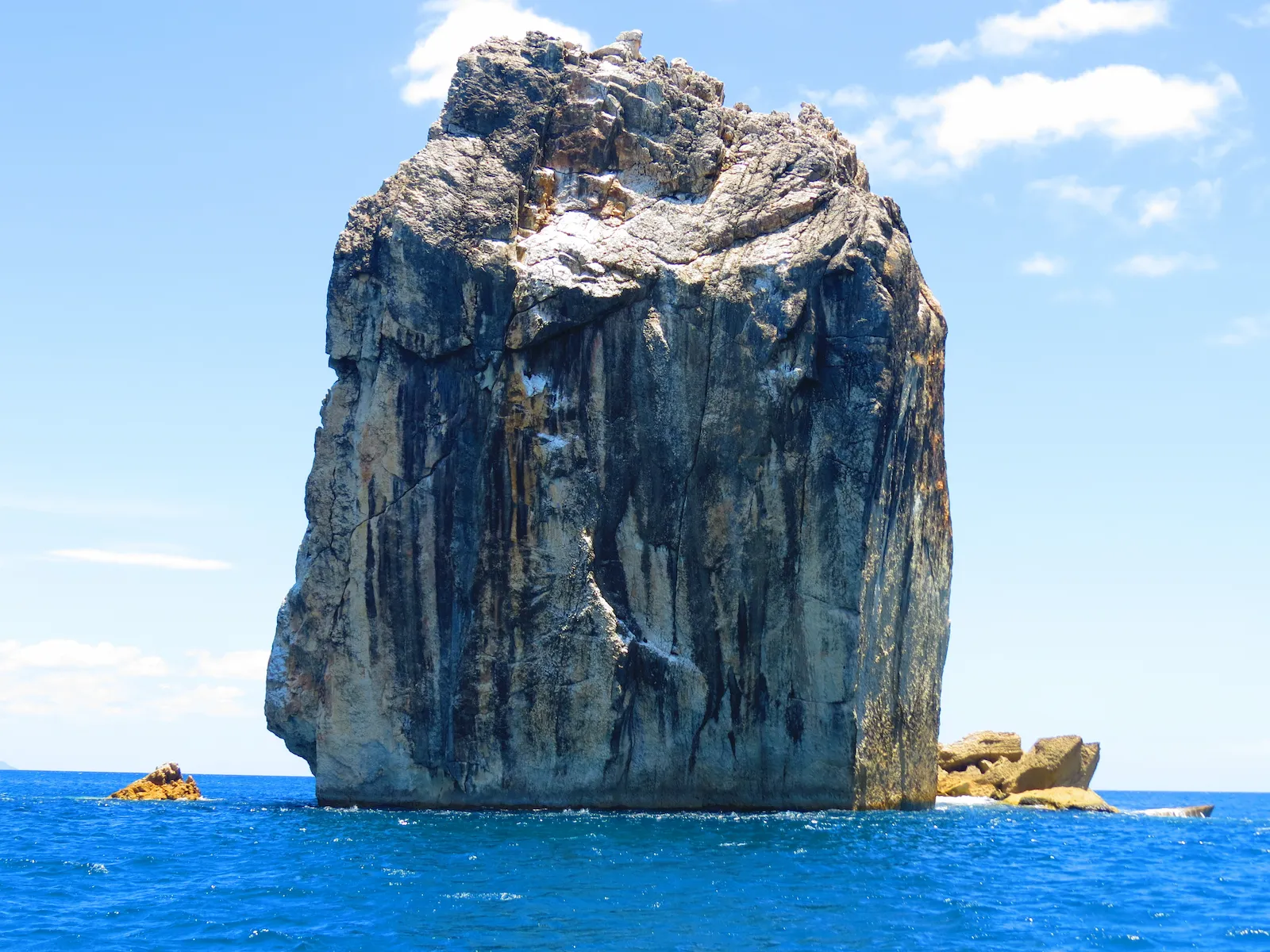
The archipelago is best known internationally as an advanced scuba-diving destination. San Pedrillo Islet is particularly associated with sightings of large marine animals, including bull sharks and giant manta rays.
That reputation should not make the experience sound like a casual beginner activity. The Bat Islands are remote, and conditions can include wind, current, cooler water and limited visibility. Certified divers should choose an experienced, properly authorized operator and confirm whether the planned sites match their certification and recent experience.
Travelers who do not dive may still appreciate the archipelago through an authorized recreational boat experience when access, weather and ocean conditions allow. However, this is not a conventional beach-hopping destination, and landing on protected islands may be restricted.
Ask the operator to confirm the exact departure point, total time on the boat, current marine access rules and expected ocean conditions before reserving. The Bat Islands are remote, so those details matter more than the advertised tour length alone.
What Is the Journey Like?
Reaching the Bat Islands requires a substantial boat journey into the northern Pacific. Common departure areas can include Cuajiniquil, Playas del Coco, Playa Hermosa or other authorized coastal points, depending on the operator and itinerary.
The ride is part of the experience, with views of the Guanacaste coastline and the rugged Santa Elena Peninsula. It can also feel long or rough when winds increase, so travelers who are sensitive to motion should discuss conditions with the operator before departure.
Because the destination lies inside a protected marine area, visits are regulated. Reservations, entrance authorization, boat documentation and activity limits may apply. These rules can change, so the operator should confirm the current requirements before the trip.
Who Will Enjoy This Experience Most?
The Bat Islands are best suited to adventurous travelers who value remote nature, marine conservation and an uncrowded setting more than resort-style comfort.
Experienced certified divers are the travelers most likely to experience the area's famous underwater sites. Nature lovers may also enjoy a permitted recreational boat visit focused on coastal scenery and wildlife observation.
This destination may not be the best choice for travelers seeking a short, calm cruise, guaranteed wildlife sightings or easy beach access. Families with very young children and anyone uncomfortable with long boat rides should compare it with gentler marine excursions closer to the Gulf of Papagayo.
How Does Weather Affect the Trip?
Ocean conditions matter more than the calendar alone. Strong winds, waves or poor visibility can change the route or cause a trip to be postponed. The captain and authorized operator should make the final decision based on conditions that day.
Travelers should keep the day flexible and avoid planning an important flight or fixed activity immediately afterward. A remote marine excursion works best when there is room in the itinerary for weather-related changes.
What Should You Bring?
Bring sun protection, a hat that can be secured, a light long-sleeved layer, a reusable water bottle and any medication normally used for motion sensitivity. Keep electronics and important documents in a waterproof pouch.
For any organized marine activity, follow the operator's safety briefing and use the equipment they provide. Do not touch, feed or chase wildlife, and never remove coral, shells, rocks or other natural material from the protected area.
Are the Bat Islands Worth Visiting?
For the right traveler, yes. The Bat Islands offer a rare opportunity to experience a remote and highly protected part of northern Guanacaste, far from the region's busier beaches and resort areas.
The destination is especially rewarding for experienced divers, marine-life enthusiasts and travelers who understand that wild places come with changing conditions and no guaranteed sightings.
Choose this experience for its isolation, conservation value and dramatic Pacific scenery—not because you expect a simple beach day. A responsible operator, flexible schedule and realistic expectations are essential for enjoying the journey.
Frequently Asked Questions
Where are the Bat Islands located?
They are off the Santa Elena Peninsula in northern Guanacaste and form part of the protected marine sector of the Guanacaste Conservation Area.
How many islands are in the archipelago?
The Bat Islands archipelago includes five islands and ten smaller islets.
Are the Bat Islands only for scuba divers?
No, but the destination is best known for advanced scuba diving. Authorized recreational boat visits may also be possible when regulations and ocean conditions allow.
Can beginners dive at the Bat Islands?
The area is generally considered better suited to experienced certified divers because conditions can include current, wind, cooler water and remote dive sites. Travelers should discuss certification and recent experience with an authorized operator.
Are bull shark sightings guaranteed?
No. The area is known for bull sharks and other large marine animals, but wildlife encounters can never be guaranteed.
Can visitors walk on the islands?
Landing and access may be restricted because the archipelago is protected. Visitors should follow the current instructions issued by the conservation authority and their authorized operator.
Where do Bat Islands trips depart from?
Departure points vary. Common access areas can include Cuajiniquil, Playas del Coco and Playa Hermosa, but travelers should confirm the exact marina or beach before booking.
Can weather cancel the trip?
Yes. Strong winds, waves or other unsafe marine conditions may change or cancel the excursion. The captain should make the final navigation decision.
Keep Reading


We respond on WhatsApp in under 2 hours.
Private tours, airport transfers, expert guides — all in one message.
No WhatsApp? Email us at info@wildpapagayo.com