Updated July 2026
Costa Rica’s Pacific and Caribbean beaches provide critical nesting habitat for sea turtles. Learn where they nest and how to observe them responsibly.
- Costa Rica is home to six of the world’s seven sea turtle species
- Five sea turtle species nest on Costa Rican beaches
- Ostional is famous for olive ridley turtle arribadas
- Marino Las Baulas protects important leatherback nesting beaches
- Wildlife sightings are never guaranteed and must be observed responsibly
Recommended For Your Trip

Sloth Adventure Tour Costa Rica
Private sloth wildlife encounter in the Costa Rica rainforest. Full-day private tour with certified bilingual guide. Book via WhatsApp with Wild Papagayo.
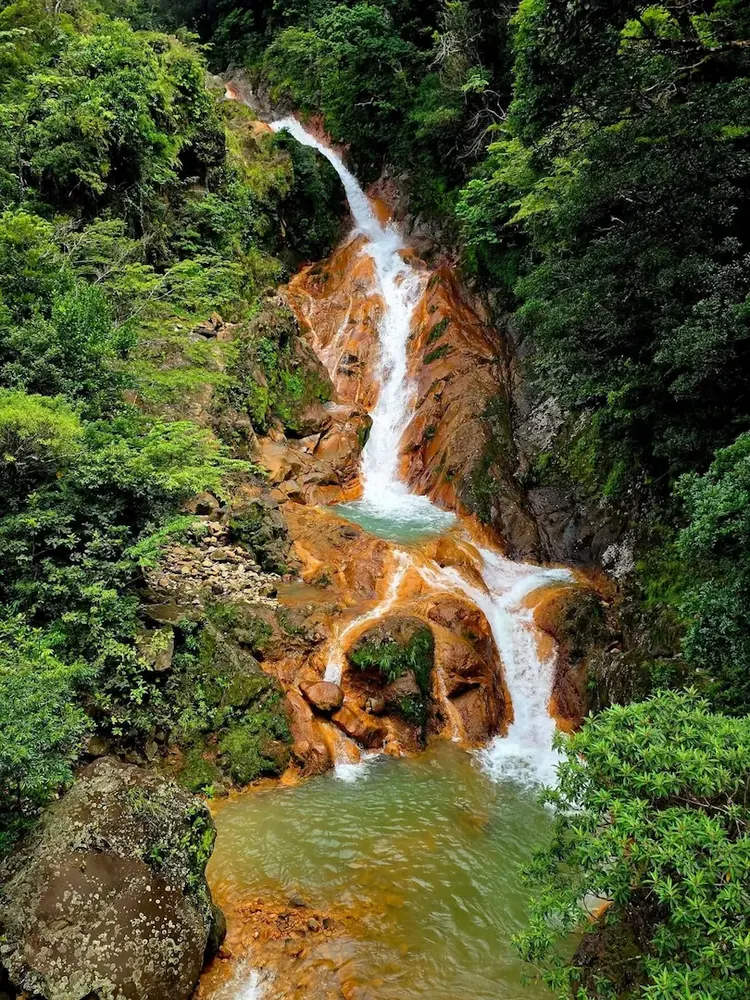
Costa Rica Highlights Tour — Sloths, Waterfall, Coffee, Hot Springs & Hanging Bridges
The ultimate one-day Costa Rica experience, sloth observation, waterfall, hands-on coffee and cacao workshop, natural mineral hot springs and two hanging bridges. Everything that makes Costa Rica extraordinary, in one private day.
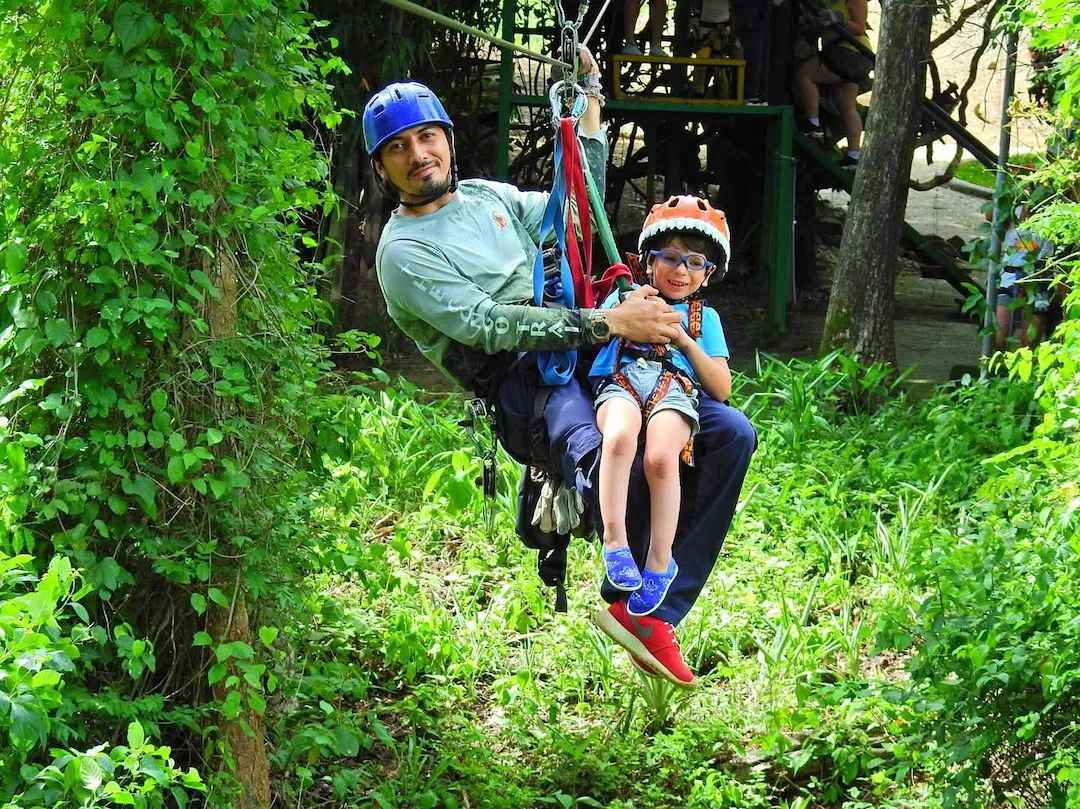
Congo Trail Half-Day Adventure
Six zip lines, hanging bridges, 45 minutes on ATV and horseback riding through Guanacaste dry forest. Half-day private adventure at Congo Trail with certified bilingual guide.
Ancient Travelers of the World’s Oceans
Sea turtle lineages have survived for more than 100 million years, traveling enormous distances between feeding areas and the beaches where females return to nest.
Costa Rica plays an important role in their survival. Its Pacific and Caribbean coastlines provide nesting, feeding and migration habitat for several sea turtle species.
Six of the world’s seven sea turtle species have been recorded in Costa Rican waters, while five species are known to nest on the country’s beaches: the leatherback, olive ridley, green, hawksbill and loggerhead turtles.
Seeing a sea turtle in the wild can be one of the most memorable experiences of a Costa Rica vacation. However, nesting and hatching are delicate natural processes. Visitors must follow conservation rules and understand that wildlife sightings are never guaranteed.
Why Costa Rica’s Beaches Are So Important
Sea turtles depend on healthy oceans, but they also need suitable beaches where females can lay their eggs. Different species return to different regions, seasons and types of coastline.
Costa Rica protects important nesting habitat through national parks, wildlife refuges and marine conservation areas. These protected locations include Ostional Wildlife Refuge, Marino Las Baulas National Park, Tortuguero National Park and Gandoca-Manzanillo Wildlife Refuge.
Protecting the beach alone is not enough. Nearby mangroves, coral habitats, coastal forests and marine feeding areas are also part of the ecosystem that supports sea turtles throughout their lives.
Do not organize your entire itinerary around an exact turtle-arribada prediction. Reserve flexible dates, contact accredited local guides and confirm conditions shortly before traveling.
Where Can Travelers See Sea Turtles in Costa Rica?
Ostional Wildlife Refuge
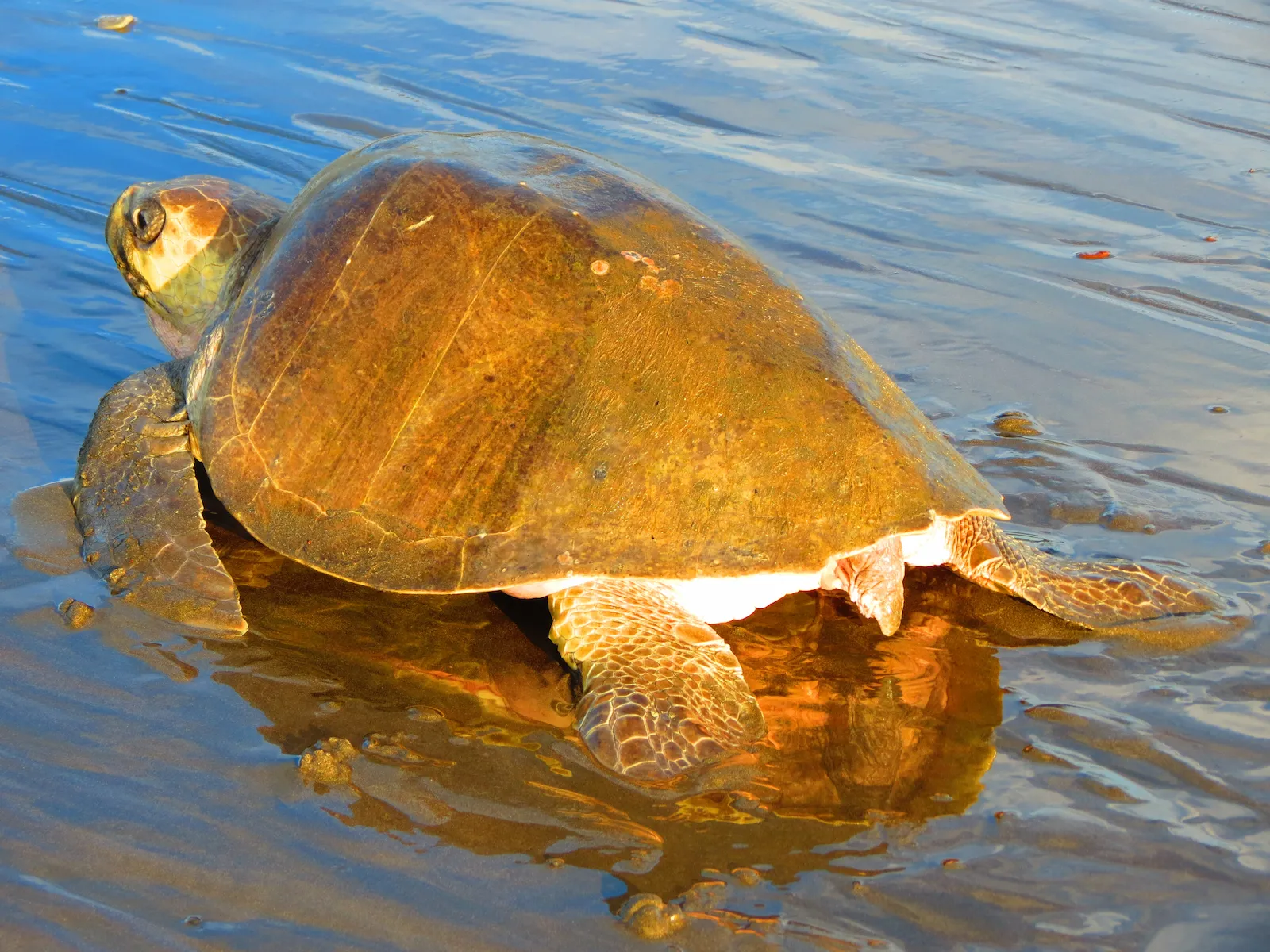
Ostional, located on the Nicoya Peninsula in Guanacaste, is internationally known for the mass nesting of olive ridley turtles.
This phenomenon is called an arribada. During an arribada, large numbers of female turtles reach the beach over several nights to lay their eggs.
Arribadas can occur throughout the year, although their timing, size and duration are determined by nature. Travelers should never plan around a guaranteed date based only on an online calendar or social media prediction.
Access during nesting periods is regulated, and visitors must enter with an accredited local guide when required. Guides help protect the turtles while explaining the nesting process and the conservation work carried out by the local community.
Marino Las Baulas National Park
Marino Las Baulas National Park is located around Tamarindo Bay in Guanacaste. It was created primarily to protect leatherback turtle nesting habitat at Playa Grande, Playa Ventanas and Playa Langosta.
The park is also visited by olive ridley and black or Pacific green turtles. Leatherbacks are the largest sea turtles in the world and one of the most remarkable marine animals found along Costa Rica’s coast.
Turtle observation programs and nighttime access can be restricted or unavailable depending on current conservation measures. Travelers should confirm the latest information directly with SINAC rather than assuming that a nesting tour will be operating.
Tortuguero National Park
On Costa Rica’s Caribbean coast, Tortuguero National Park protects nesting habitat for green, leatherback, hawksbill and loggerhead turtles.
The region is especially associated with green turtle nesting, but different species use the coastline at different times of the year. Reaching Tortuguero normally requires a boat or domestic flight, making it a completely different experience from visiting the beaches of Guanacaste.
Gandoca-Manzanillo Wildlife Refuge
The southern Caribbean also protects important nesting habitat. Leatherback, green, hawksbill and loggerhead turtles have been recorded nesting along the coast of the Gandoca-Manzanillo Wildlife Refuge.
This region combines beaches, wetlands, tropical forest and coral-influenced marine ecosystems, showing how sea turtle conservation is connected to the protection of the wider coastal environment.
How to Observe Sea Turtles Responsibly
Always use an accredited guide when one is required and follow every instruction given by park officials. Rules may change according to the beach, species, season and stage of the nesting process.
Never touch a turtle, egg or hatchling. Do not stand directly in front of a nesting female or block her route between the ocean and the nesting area.
Avoid flash photography, bright phone screens and ordinary flashlights. Artificial light can disturb nesting females and disorient hatchlings trying to reach the ocean.
Remain quiet, keep the required distance and stay with your group. A turtle may return to the ocean without nesting if she feels threatened or repeatedly disturbed.
Visitors should also remain on approved paths and avoid stepping on marked or unmarked nesting areas. Turtle nests can be difficult to identify without the help of trained guides.
What Threatens Sea Turtles?
Sea turtles face dangers both on land and at sea. Plastic pollution, abandoned fishing equipment, accidental capture, boat strikes and the loss of feeding habitats can affect turtles throughout their lives.
On nesting beaches, artificial lighting, coastal construction, vehicles, noise, pets and uncontrolled tourism can interfere with nesting and hatching.
Climate change also affects nesting habitat. Rising sea levels, beach erosion, stronger storms and changing sand temperatures may influence the survival and development of eggs.
Responsible tourism cannot solve every threat, but visitor behavior matters. Following park rules, reducing waste and supporting authorized local guides helps make wildlife tourism part of the conservation solution.
Protecting an Ancient Journey
Sea turtles survived major changes on Earth long before modern humans appeared, but many of the threats they face today are connected to human activity.
Costa Rica has the privilege of protecting important nesting beaches on both the Pacific and Caribbean coasts. Ostional’s olive ridley arribadas, the leatherback habitat of Marino Las Baulas and the green turtle nesting areas of Tortuguero are part of a conservation responsibility shared by communities, park officials, guides and visitors.
The best turtle experience is not the closest photograph or the largest crowd around a nest. It is an observation that allows the animal to complete its natural behavior without interference.
By choosing accredited guides, following conservation rules and respecting the beach after dark, travelers can experience one of Costa Rica’s most extraordinary natural events while helping protect it for future generations.
Frequently Asked Questions
How many sea turtle species are found in Costa Rica?
Six of the world’s seven sea turtle species have been recorded in Costa Rican waters, while five species are known to nest on the country’s beaches.
Which sea turtles nest in Costa Rica?
Leatherback, olive ridley, green, hawksbill and loggerhead turtles are known to nest along Costa Rica’s Pacific or Caribbean coastlines.
Where can I see turtle arribadas in Guanacaste?
Ostional Wildlife Refuge is famous for mass nesting events involving olive ridley turtles. The dates and size of each arribada are natural and cannot be guaranteed far in advance.
Do I need a guide at Ostional?
During regulated nesting periods, visitors must enter with an accredited guide. Always check the current refuge requirements before traveling.
Can I see leatherback turtles near Tamarindo?
Marino Las Baulas National Park protects leatherback nesting habitat at Playa Grande, Ventanas and Langosta. However, turtle observation and nighttime access may be restricted, so verify current conditions with SINAC.
Can I photograph nesting turtles?
Photography rules depend on the protected area. Flash, bright screens and ordinary lights should not be used because they can disturb turtles and disorient hatchlings.
Can visitors help hatchlings reach the ocean?
No. Visitors should not pick up, touch or move hatchlings unless authorized conservation personnel specifically instruct them to do so.
Are turtle sightings guaranteed?
No. Sea turtles are wild animals, and nesting depends on natural cycles, weather, tides and individual behavior.
Is Ostional suitable for a day trip from Papagayo?
It is possible, but the drive is long and road conditions can vary during the rainy season. A private transfer or locally planned excursion can make the visit easier.
Keep Reading


We respond on WhatsApp in under 2 hours.
Private tours, airport transfers, expert guides — all in one message.
No WhatsApp? Email us at info@wildpapagayo.com