Updated July 2026
Wondering where to keep your phone, towels and valuables during Costa Rica adventure tours? Here is what to expect on rafting, ziplining, ATV and catamaran excursions.
- Phones may not be allowed during rafting or ziplining
- Quick-dry towels should stay with your dry clothes
- Small dry bags are most useful on catamaran tours
- Keep phones stored while riding an ATV
- Always follow each tour operator’s storage rules
Recommended For Your Trip
Colorado River Rafting Class II–III
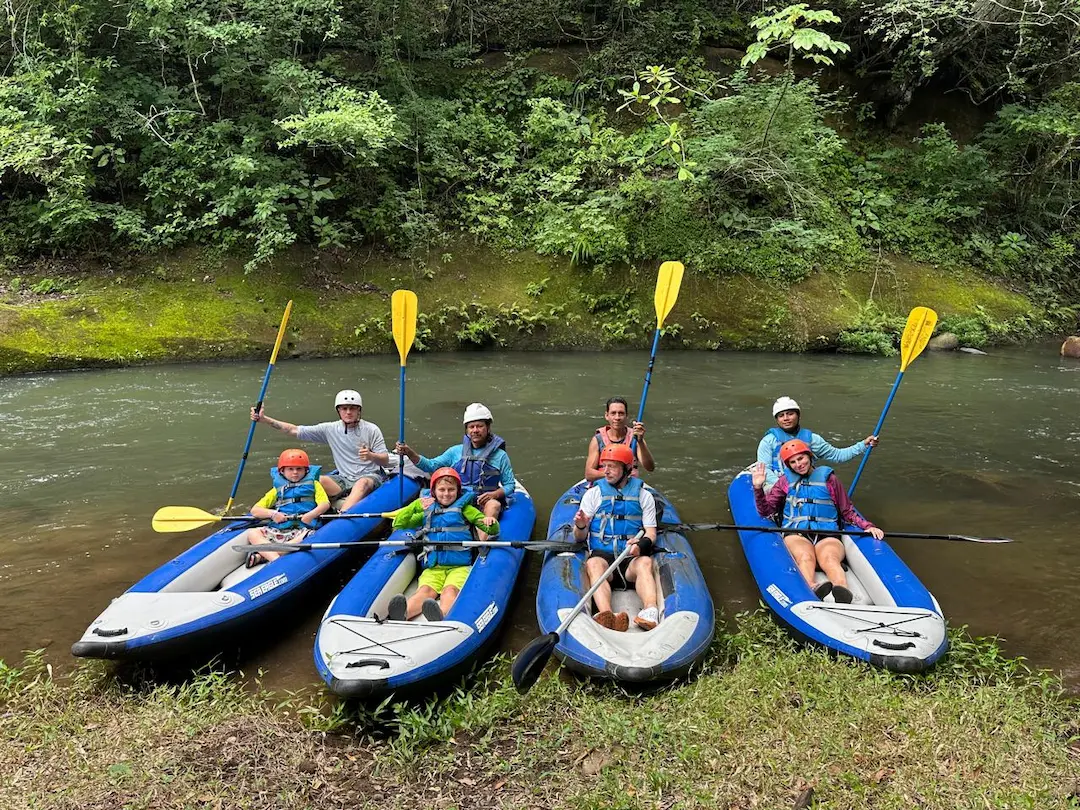
Private Class II–III white water rafting on the Colorado River, natural canyon, swimming holes and lunch included. No experience necessary. Certified bilingual guide exclusively for your group.

Tenorio River White Water Rafting Class III–IV
Private Class III–IV white water rafting on the Tenorio River, racing rapids, plunging over falls and lush tropical wildlife. Snacks and lunch included. Certified bilingual guide exclusively for your group.
2-Hour ATV Mountain Ride
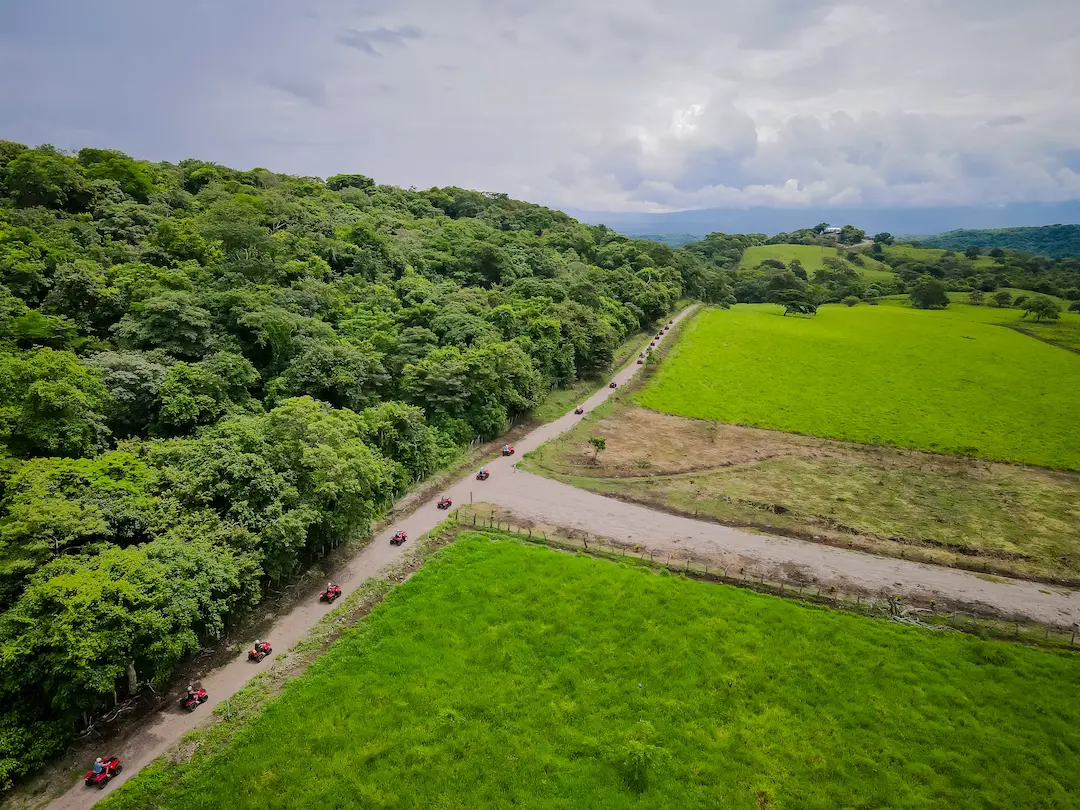
Two hours of private ATV adventure through unpaved mountain roads and dry forest terrain in Guanacaste. Off-the-beaten-track riding with a certified bilingual guide, exclusively for your group.

Congo Trail Canopy & Extreme Zip Line
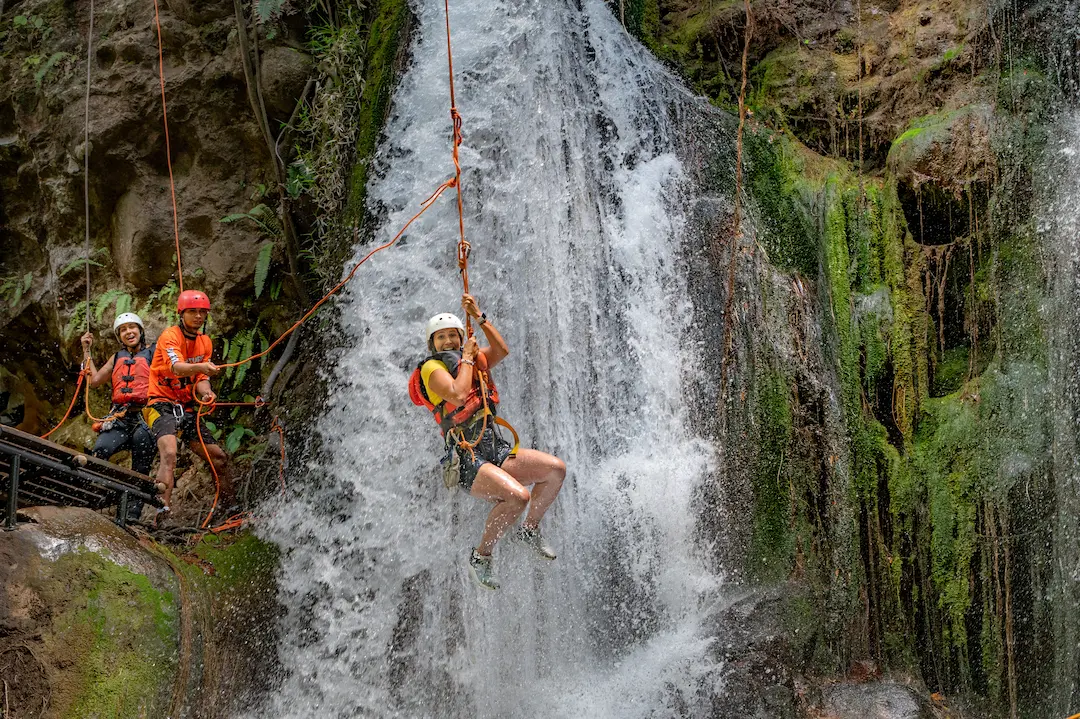
Private Congo Trail experience, 11-station zip line through tropical forest with 3 hanging bridges, plus extreme cables including Superman and Tarzan Swing. The Plus option adds 2 hours ATV.
Should You Bring Your Phone on an Adventure Tour?
You can bring your phone to the tour meeting point, but that does not mean you should carry it during every activity. Rafting, ziplining, ATV riding and catamaran cruises have very different rules and levels of water exposure.
The safest general plan is to bring only essential items and ask the operator where personal belongings will be stored before the activity begins. Some companies provide lockers, changing rooms, secure vehicle storage or a designated dry bag. Others require guests to leave phones, backpacks and loose items behind.
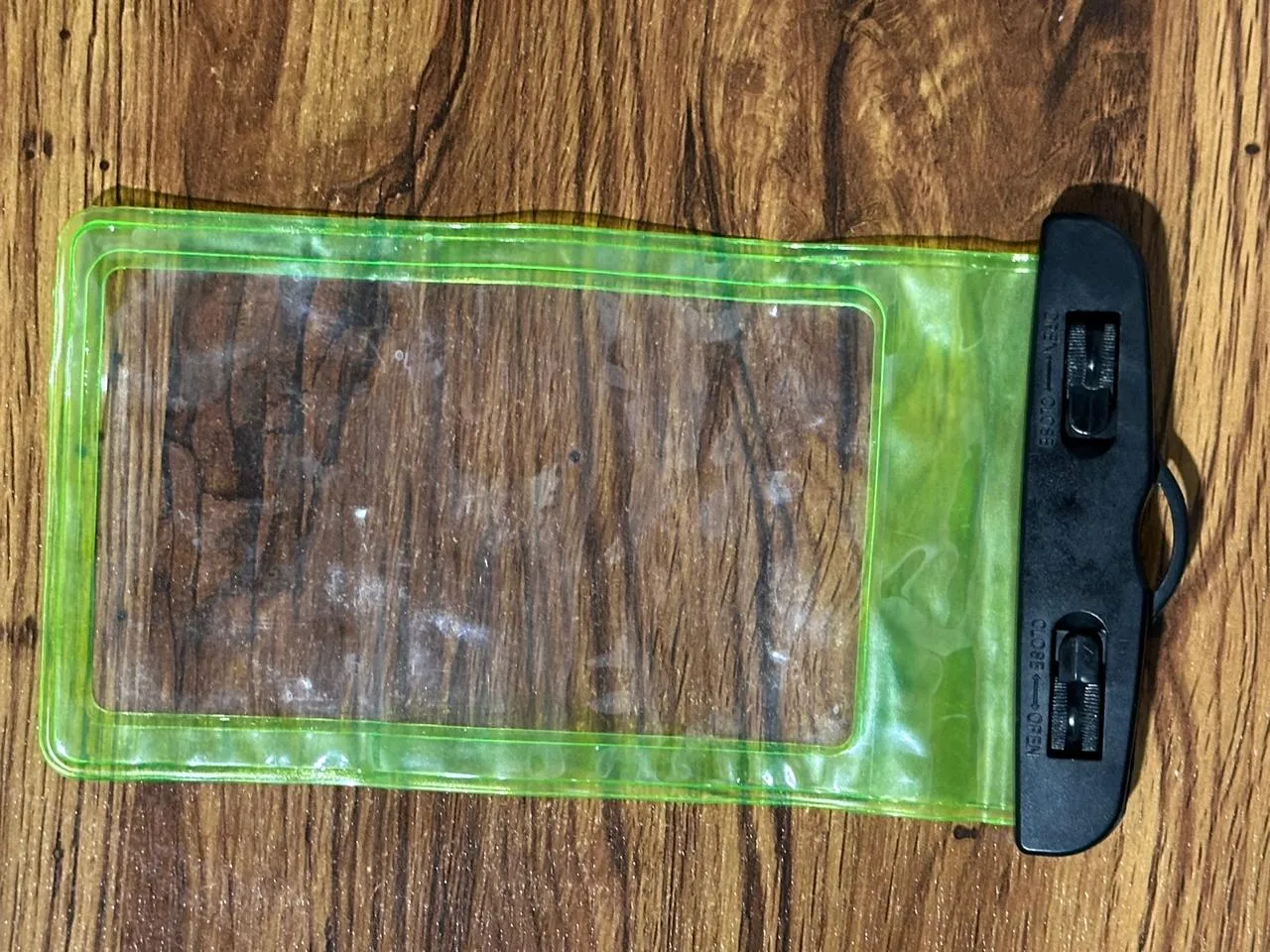
Do not depend only on a waterproof phone pouch. A pouch may protect a device from splashes, but it can still be lost, damaged or prohibited if it interferes with safety equipment or movement.
Around-the-neck phone pouch is not the best default choice for rafting or ziplining. Even when the pouch is waterproof, the operator may consider it a loose or distracting object. Only carry it when the guide specifically confirms that it is permitted.
The Best General Protocol
Before leaving your hotel, place your phone, wallet, documents and dry clothing inside one small backpack or dry bag. When you arrive, ask whether that bag will remain in a locker, transportation vehicle, changing area or secure storage location.
Carry only the items approved by the guide during the active portion of the tour. The operator's instructions should always take priority over advice from social media, previous travelers or product advertising.
It is also helpful to ask whether the company offers professional photographs. On rafting and zipline tours, purchasing the operator's photos can be easier and safer than trying to carry a phone throughout the experience.
Send each tour company one message before your trip asking three questions: Are phones allowed during the activity, is secure storage provided and are professional photos available? The answers may be different for every tour.
What to Do With Your Phone During Whitewater Rafting
For whitewater rafting, we recommend leaving your regular phone, wallet and towel in the storage location designated by the operator. Bring clothing that can get completely wet and keep a dry change of clothes ready for after the river.
Some rafting companies allow securely mounted action cameras, while others restrict all personal cameras. Rules can also change according to the river, rapid classification and water conditions.
Do not assume that a waterproof backpack can travel inside the raft. A large personal bag may move around, become difficult to secure or interfere with the space needed by participants and guides. Ask whether the operator provides a secured river dry bag for essential items.
Your quick-dry towel should normally remain with your dry clothes rather than travel down the river. You will not need it while rafting, and keeping it dry makes it useful when the activity ends.
What to Do With Your Phone While Ziplining
Zipline rules are usually stricter because participants must keep their hands free and avoid objects that could fall. Some Costa Rica zipline operators do not allow cell phones, cameras, bags, hats or other loose items during the activity.
Use the company's lockers or secure storage when available. A phone inside an ordinary pocket is not necessarily permitted, even if the pocket has a zipper.
Ask whether the operator has a professional photography service or allows an approved, securely mounted action camera. Never assume that a handheld phone, selfie stick or neck pouch will be accepted.
What to Do With Your Phone on an ATV Tour
A small waterproof or dust-resistant bag may be useful during an ATV excursion, but it must be stored according to the guide's instructions. Roads and trails can be wet, dusty, muddy and uneven.
Keep the phone stored while the ATV is moving. Only take it out after the group has stopped in an approved location and the guide confirms it is safe to do so.
A waterproof case protects against rain and mud, but it does not protect a phone from falling, vibration or impact. Avoid carrying unnecessary valuables during the ride.
What to Bring on a Catamaran
A catamaran is normally the activity where a waterproof phone pouch or small dry bag is most useful. You may want your phone for photographs, but it should remain protected from sea spray, wet surfaces and swimming stops.
Keep the pouch secured and avoid placing the phone on seats, railings or the edge of the boat. For swimming or snorkeling, leave it aboard unless the crew confirms that carrying it in the water is appropriate.
Bring a quick-dry towel, sunscreen, a hat and dry clothing if recommended by the operator. Some catamarans provide towels, while others expect passengers to bring their own, so confirm this before departure.
Our Recommendation for Your Four Excursions
For whitewater rafting, bring almost nothing onto the river. Leave your phone, towel and dry clothing in the storage area identified by the operator. Carry an action camera only when the company explicitly permits it.
For ziplining, expect strict rules about cell phones, cameras, bags and loose objects. Plan to use a locker or professional photography service.
For the ATV tour, protect your phone from rain, dust and mud, but keep it stored while the vehicle is moving. Use it only during approved stops.
For the catamaran, a small dry bag and waterproof phone pouch are more practical. Even then, keep electronics protected and securely stored when swimming or moving around the boat.
You do not need to arrive with nothing at all. Bring a compact bag with a quick-dry towel, dry clothes, sunscreen and essential personal items, then follow the storage procedure provided by each company.
Frequently Asked Questions
Can I wear a waterproof phone pouch around my neck while rafting?
Do not assume that it is allowed. Some operators prohibit personal items that could interfere with movement or safety equipment. Ask the rafting company directly and leave the phone in secure storage when the answer is unclear.
Can I bring a waterproof backpack inside the raft?
Only when the operator approves it. Many companies prefer to secure essential items in their own dry bag or leave personal backpacks at the operations center, in a locker or inside the transportation vehicle.
Should I bring a towel while rafting?
Bring a small quick-dry towel, but leave it with your dry clothes during the river portion. It is more useful after the activity than inside the raft.
Are phones allowed while ziplining?
Policies vary, but many zipline operators prohibit cell phones, cameras and loose objects. Use lockers or the company's photography service when available.
Can I take photographs during an ATV tour?
Keep the phone stored while the ATV is moving. Photographs should only be taken at designated stops after following the guide's instructions.
Should I bring a dry bag on a catamaran?
Yes, a small dry bag can be useful for protecting electronics, clothing and personal items from spray. Keep it closed and stored securely while the boat is moving.
What valuables should I leave at the hotel?
Leave passports, expensive jewelry, unnecessary cards and large amounts of cash in your hotel safe. Carry only what you genuinely need for the excursion.
What happens if the tour does not provide lockers?
Ask whether belongings remain inside the transportation vehicle or at the operations center. Do not leave valuables unattended without first understanding the company's storage procedure.
Keep Reading


We respond on WhatsApp in under 2 hours.
Private tours, airport transfers, expert guides — all in one message.
No WhatsApp? Email us at info@wildpapagayo.com