Updated July 2026
Costa Rica’s four UNESCO World Heritage properties protect extraordinary forests, marine ecosystems, wildlife and an important part of the country’s pre-Columbian history.
- Costa Rica has four UNESCO World Heritage properties
- Three are natural sites and one is cultural
- Rincón de la Vieja is part of the Guanacaste Conservation Area
- Cocos Island protects an important Pacific marine ecosystem
- The Diquís sites preserve Costa Rica’s famous stone spheres
Recommended For Your Trip
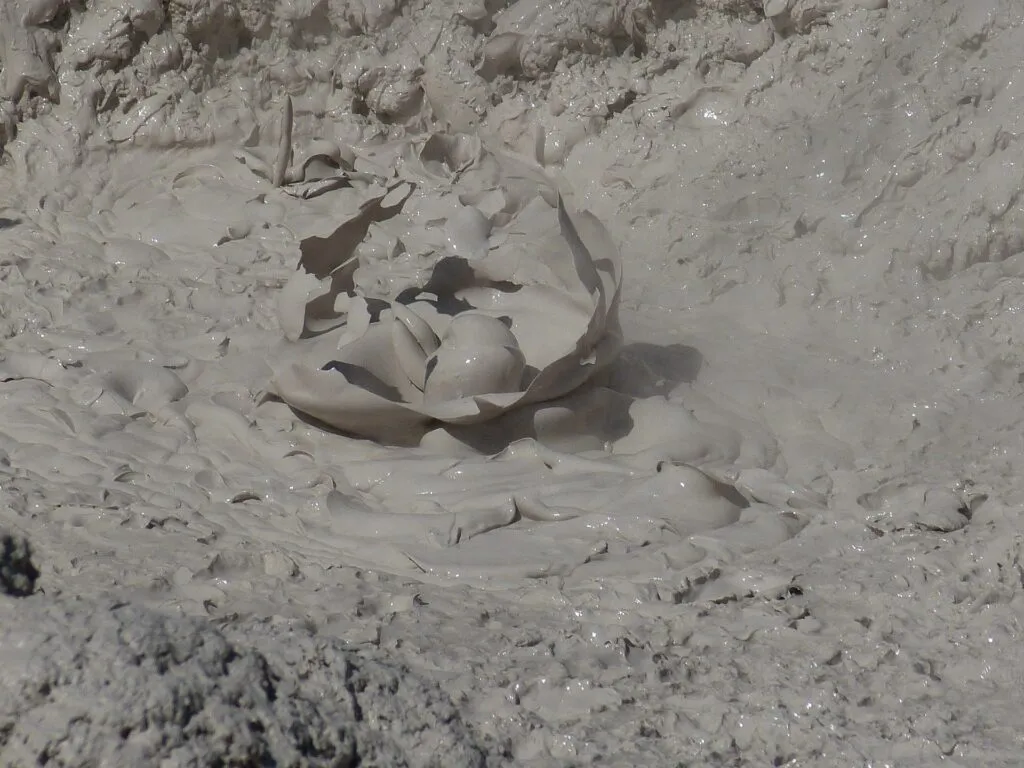
Rincon de la Vieja Hiking Tour
Private full-day hiking in Rincon de la Vieja National Park, Guanacaste. Volcanoes, hot springs and wildlife with a certified bilingual guide. Book via WhatsApp.

Hacienda Guachipelín Extreme
Private full-day extreme adventure at Hacienda Guachipelín, zipline, rappel, rock climbing, river tubing and hot springs in Guanacaste. Certified bilingual guide. Book with Wild Papagayo.
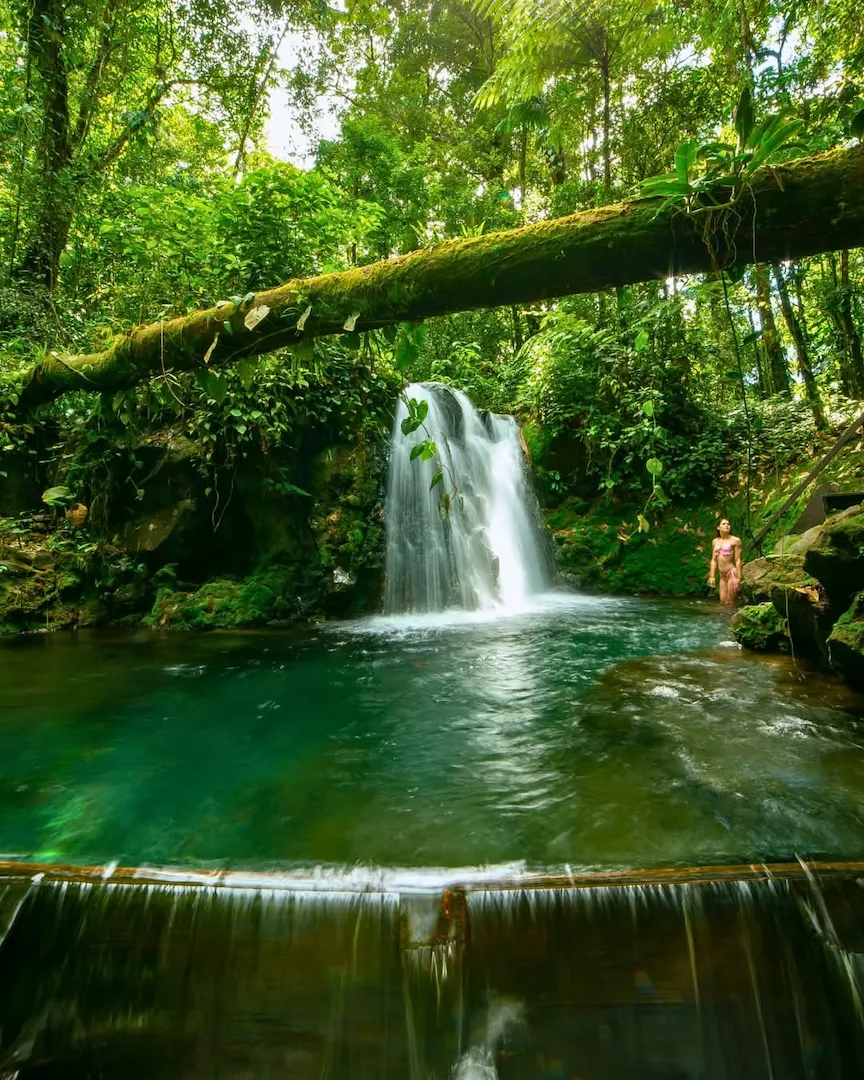
Sensoria Land of Senses & Magical Rainforest
Private full-day Sensoria nature reserve, 7km rainforest trail with multiple waterfalls, thermal pools, howler monkeys and incredible biodiversity where Guanacaste transforms into lush rainforest. Walking sticks and lunch included.
Why World Heritage Matters in Costa Rica
Costa Rica is internationally recognized for its biodiversity, protected landscapes and strong connection between nature and tourism. One of the clearest examples is the country’s four properties inscribed on the UNESCO World Heritage List.
Three of these properties are recognized for their natural importance, while one protects an exceptional part of Costa Rica’s pre-Columbian cultural history. Together, they represent tropical forests, volcanic landscapes, remote marine ecosystems, mountain habitats and archaeological sites.
World Heritage recognition is more than an international title. It creates a responsibility to protect places considered valuable not only to Costa Rica, but to humanity as a whole.
Costa Rica’s Four UNESCO World Heritage Properties
1. Area de Conservación Guanacaste
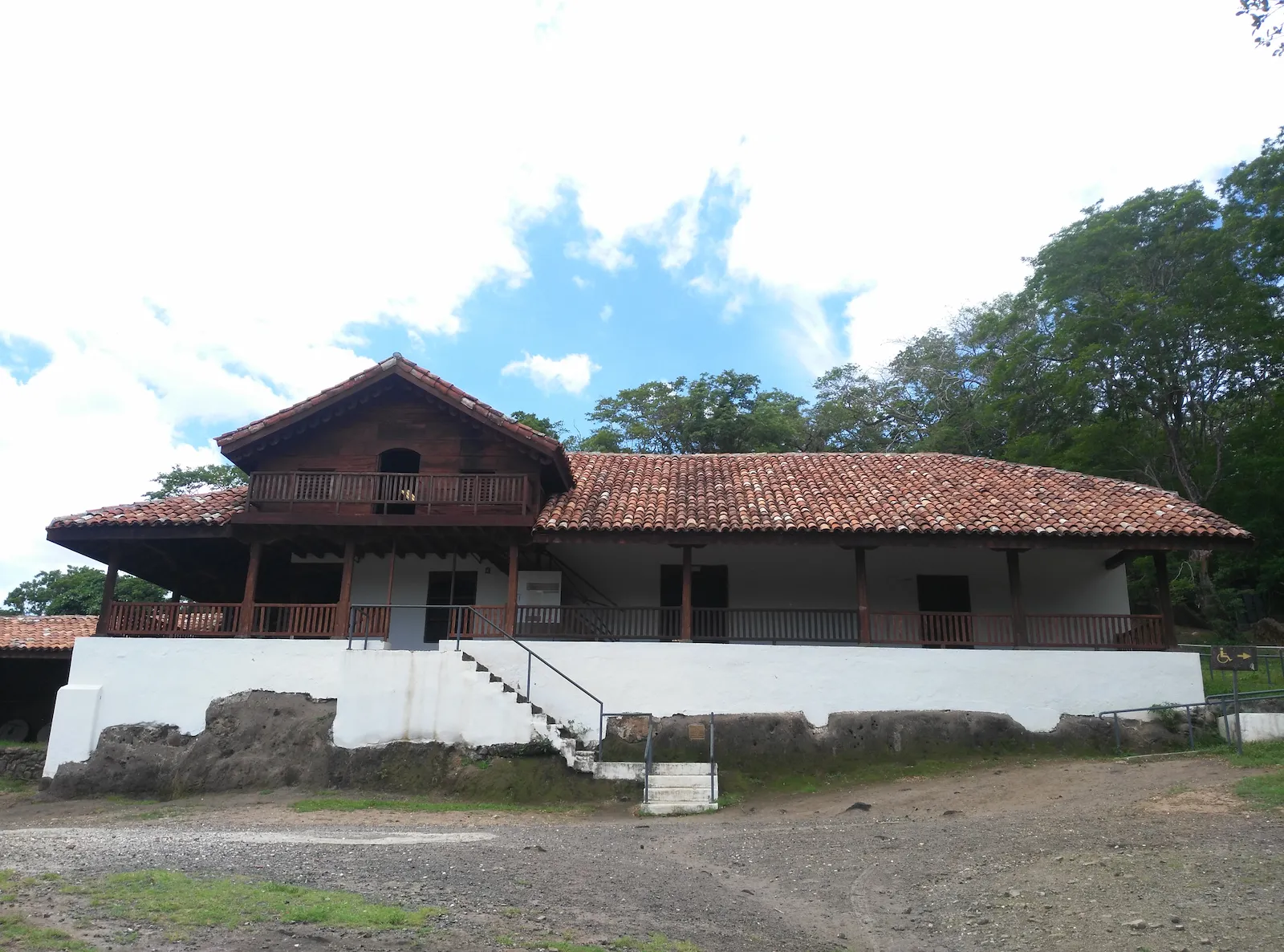
Located in northwestern Costa Rica, the Area de Conservación Guanacaste protects an extraordinary connection between land and ocean. Its ecosystems extend from the Pacific coast through tropical dry forest, volcanic mountains and humid forests toward the Caribbean lowlands.
The protected area includes beaches, forests, wetlands, rivers, islands and marine environments. Rincón de la Vieja is part of this broader conservation landscape, making it especially relevant to travelers exploring Guanacaste.
2. Cocos Island National Park
Cocos Island National Park protects one of Costa Rica’s most remote natural treasures. Located far from the Pacific mainland, the property includes a forest-covered oceanic island and an extensive protected marine environment.
Its waters are internationally known for marine biodiversity and encounters with large ocean species. Because of its isolation and environmental importance, Cocos Island is not a conventional beach destination and requires carefully regulated access.
Do not treat World Heritage properties as a checklist to complete in one vacation. Choose one region, learn why it is protected and support authorized guides and services that follow conservation rules.
3. Talamanca Range–La Amistad Reserves and La Amistad National Park
This transboundary World Heritage property extends across Costa Rica and Panama. It protects large areas of tropical rainforest, cloud forest, high mountains and habitats containing remarkable biological diversity.
The Talamanca Mountains also hold deep cultural importance. Indigenous communities have lived within and around this region for generations, creating a connection between environmental protection, traditional knowledge and human history.
4. Precolumbian Chiefdom Settlements With Stone Spheres of the Diquís
Costa Rica’s cultural World Heritage property includes four archaeological sites in the Diquís Delta: Finca 6, Batambal, El Silencio and Grijalba-2.
These sites preserve evidence of complex pre-Columbian societies, including settlement areas, artificial mounds, paved spaces, burial sites and the famous stone spheres of southern Costa Rica.
The spheres are admired for their size, craftsmanship and remarkably rounded form. Many questions about their original purpose and production remain unanswered, adding to their cultural and archaeological significance.
Three Natural Properties and One Cultural Property
The World Heritage List shows that Costa Rica’s identity is not based on nature alone. Its three natural properties protect biodiversity and major ecosystems, while the Diquís archaeological sites preserve evidence of the people who shaped the country long before the modern era.
This combination gives travelers a more complete understanding of Costa Rica. National parks, forests and marine reserves are essential, but archaeological heritage, local communities and cultural history also deserve protection and respect.
How Conservation Supports Costa Rica’s Tourism Identity
Costa Rica’s international tourism reputation depends heavily on healthy forests, clean water, wildlife and protected landscapes. Visitors travel to the country to experience volcanoes, rainforests, beaches, marine life and living ecosystems.
Protecting these places helps preserve the experiences travelers come to enjoy. It also creates opportunities for local guides, conservation programs, researchers and communities connected to responsible tourism.
However, recognition can also bring pressure. Increased visitation must be managed carefully so that tourism does not damage the natural or cultural values that made these places exceptional.
Protecting More Than Beautiful Scenery
Costa Rica’s four World Heritage properties show that environmental and cultural protection can be central to a country’s identity.
Area de Conservación Guanacaste connects forests, volcanoes and marine environments. Cocos Island protects an exceptional oceanic ecosystem. La Amistad preserves one of Central America’s most important mountain and rainforest landscapes. The Diquís sites protect the legacy of sophisticated pre-Columbian communities.
These places are not valuable only because they are beautiful or attractive to travelers. They preserve biodiversity, scientific knowledge, cultural memory and natural processes that cannot easily be replaced.
Responsible tourism begins by understanding that every protected destination is also a living ecosystem or cultural landscape. Visiting with respect helps Costa Rica continue protecting its land, ocean and heritage for future generations.
Frequently Asked Questions
How many UNESCO World Heritage properties does Costa Rica have?
Costa Rica currently has four properties inscribed on the UNESCO World Heritage List.
How many are natural World Heritage properties?
Three are classified as natural properties: Area de Conservación Guanacaste, Cocos Island National Park and Talamanca Range–La Amistad Reserves and La Amistad National Park.
What is Costa Rica’s cultural World Heritage property?
It is the Precolumbian Chiefdom Settlements with Stone Spheres of the Diquís, composed of four archaeological sites in southern Costa Rica.
Is Rincón de la Vieja part of a World Heritage property?
Yes. Rincón de la Vieja forms part of the wider Area de Conservación Guanacaste World Heritage property.
Can tourists visit all four properties?
Access varies significantly. Some areas have established visitor trails and facilities, while remote or sensitive locations may require special planning, authorized operators or regulated access.
Is Cocos Island easy to visit from Guanacaste?
No. Cocos Island is located far offshore and is not a standard day trip from Guanacaste. Visiting requires specialized planning and authorized marine transportation.
Why are the Diquís stone spheres important?
They form part of archaeological settlements that demonstrate the organization, craftsmanship and social complexity of pre-Columbian societies in southern Costa Rica.
How can travelers support conservation?
Travelers can use authorized guides, follow park rules, avoid disturbing wildlife, remain on established trails, reduce waste and respect archaeological and cultural sites.
Keep Reading

We respond on WhatsApp in under 2 hours.
Private tours, airport transfers, expert guides — all in one message.